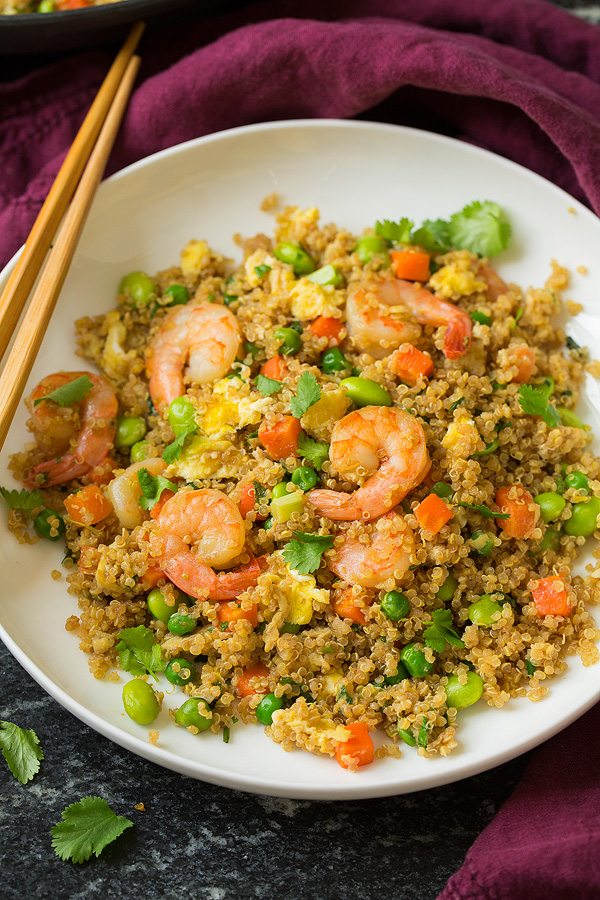
Quinoa Shrimp Fried Rice: A Healthier, Hearty Take on a Classic
Prepare your taste buds for an extraordinary culinary journey that promises vibrant flavors, satisfying textures, and a health-conscious twist on a beloved comfort food. Imagine a dish bursting with color, the delightful crunch of fresh vegetables, and succulent shrimp, all harmoniously blended with the nutty, wholesome goodness of quinoa. This isn't just another weeknight meal; it's a celebration in a bowl, designed to make your palate dance and leave you feeling nourished and content. Introducing
Quinoa Shrimp Fried Rice – a revolutionary take on a classic that will impress even your most discerning guests and become an instant family favorite.
Traditional fried rice often leans on white rice, which, while delicious, can sometimes leave you wanting more in terms of nutritional value. This recipe, however, artfully sidelines the usual rice in favor of quinoa, elevating the dish's health profile without compromising an ounce of flavor or satisfaction. It’s perfect for those cozy evenings at home, special gatherings, or whenever you crave something both hearty and light. Get ready to transform your perception of fried rice and discover a dish that truly offers the best of both worlds.
The Quinoa Advantage: Why Swap Rice for Quinoa?
The star of this reinvented classic is undoubtedly quinoa, a ancient grain (technically a seed) celebrated for its remarkable nutritional benefits and versatility. Swapping out white rice for quinoa isn't just a trend; it's a significant upgrade that brings a wealth of advantages to your
quinoa shrimp fried rice.
Firstly, quinoa is a complete protein, meaning it contains all nine essential amino acids that our bodies cannot produce on their own. This makes it an excellent plant-based protein source, contributing to muscle repair, growth, and overall satiety. Unlike white rice, which is primarily a carbohydrate, quinoa offers a much more balanced macronutrient profile.
Beyond protein, quinoa is a powerhouse of dietary fiber. This means it aids in digestion, helps regulate blood sugar levels, and contributes to a feeling of fullness, which can be beneficial for weight management. Compared to the rapid spike in blood sugar often associated with refined white rice, quinoa provides a more sustained energy release, preventing the dreaded post-meal slump.
Furthermore, quinoa is packed with essential micronutrients, including magnesium, iron, zinc, folate, and various antioxidants. These contribute to everything from nerve function and red blood cell formation to immune support and protecting cells from damage. For those with gluten sensitivities, quinoa is naturally gluten-free, making this version of fried rice an inclusive option for a wider range of diners.
From a culinary perspective, quinoa brings a unique texture to the dish. Once cooked, its tiny, pearly grains are fluffy yet have a slight chewiness, with a subtle nutty flavor that beautifully complements the savory elements of the fried rice. It readily absorbs the rich flavors of the soy sauce, sesame oil, and ginger, ensuring every spoonful is bursting with taste. This distinctive texture and flavor profile elevates the dish, making it not just healthier, but arguably more interesting and satisfying than its traditional counterpart.
Crafting Your Perfect Quinoa Shrimp Fried Rice: Key Ingredients & Smart Substitutions
The beauty of
quinoa shrimp fried rice lies in its balance of fresh ingredients and vibrant seasonings. Each component plays a crucial role in building the dish's incredible depth of flavor and texture.
*
Quinoa: Start with 1 cup of dry quinoa. Remember to rinse it thoroughly before cooking to remove saponins, which can impart a bitter taste. Cook it with 3 cups of water until tender (about 15 minutes), then spread it on a baking sheet to cool completely. This cooling step is vital to prevent the quinoa from becoming mushy when stir-fried.
*
Shrimp: One pound of small shrimp, peeled and deveined, is ideal. Opt for fresh whenever possible, but high-quality frozen shrimp (thawed properly) works perfectly too. Shrimp cooks quickly, so having it ready to go is key to avoiding overcooking.
*
Eggs: Four large eggs provide richness and additional protein. While the recipe suggests frying them separately to top each bowl, you can also scramble them into the fried rice mixture if you prefer.
*
The Flavor Base & Aromatics:
*
Vegetable Oil: Six tablespoons are divided for cooking different components. High-smoke point oils like avocado oil can also be used.
*
Japanese Eggplant: One small (about 6 ounces) Japanese eggplant, halved lengthwise and sliced crosswise into ½-inch thick pieces, adds a wonderful texture and slight sweetness when browned. If Japanese eggplant isn't available, regular eggplant can be used, though its texture will be slightly different.
*
Garlic & Ginger: Two cloves of minced garlic and a 1-inch piece of fresh, minced ginger are non-negotiable for that authentic aromatic punch.
*
Carrot: One small carrot, cut into thin matchsticks, adds a touch of sweetness and vibrant color.
*
Scallions: One bunch of scallions, sliced, with white and green parts kept separate, provides both foundational flavor and fresh garnish.
*
The Sauce Trio:
*
Soy Sauce: Two tablespoons are the primary savory component. Use low-sodium soy sauce for a healthier option, or tamari for a gluten-free alternative.
*
Toasted Sesame Oil: One teaspoon provides that distinctive nutty, aromatic finish. A little goes a long way!
*
Asian Fish Sauce: ½ teaspoon adds a layer of umami depth that truly elevates the flavor profile. Don't skip it; it adds complexity without tasting "fishy."
*
Seasoning: Kosher salt and freshly ground black pepper to taste.
For smart substitutions and added nutrition, feel free to incorporate other vegetables like peas, edamame, bell peppers, broccoli florets, or sliced mushrooms. For a different protein, cooked chicken breast, tofu, or even beef can be used in place of or alongside the shrimp.
Mastering the Wok (or Skillet): Step-by-Step for Culinary Success
Creating the perfect
quinoa shrimp fried rice is all about timing and technique. A large nonstick skillet or wok is your best friend here, ensuring even cooking and preventing sticking.
1.
Prep Everything First (Mise en Place): This is arguably the most crucial step. Have all your vegetables chopped, shrimp peeled, quinoa cooked and cooled, and sauces measured out before you even turn on the heat. Fried rice cooks quickly, and you won't have time to chop mid-stir-fry.
2.
Cook the Quinoa: As mentioned, rinse 1 cup of quinoa well, bring it to a boil with 3 cups of water, then simmer for about 15 minutes until tender. Drain it thoroughly and spread it on a rimmed baking sheet to cool completely. This cooling process helps the quinoa separate and not clump together in the pan.
3.
Sear the Eggplant: Heat 3 tablespoons of vegetable oil in your skillet or wok over medium-high heat. Add the sliced eggplant and cook for 2-3 minutes until it begins to brown and soften slightly. This initial searing brings out its flavor and texture.
4.
Build the Aromatics: Add 2 more tablespoons of vegetable oil to the skillet. Stir in the minced garlic, carrot matchsticks, minced ginger, and the white parts of the scallions. Cook for about 1 minute until the vegetables begin to soften and the aromatics become fragrant.
5.
Infuse with Sauce: Pour in the soy sauce, toasted sesame oil, and Asian fish sauce. Stir well to combine, allowing the flavors to meld and coat the vegetables.
6.
Add the Shrimp: Introduce the peeled and deveined shrimp to the pan. Cook, stirring frequently, for about 2 minutes, until they just begin to change color and turn pink. Remember, shrimp cooks very fast!
7.
Incorporate the Quinoa: Add the cooled quinoa to the skillet. Continue to cook, stirring everything together, for about 3 more minutes. This allows the quinoa to heat through and absorb all the incredible flavors from the vegetables and sauce. The goal is to get a slightly "fried" texture.
8.
Finish with Greens: Stir in the green parts of the scallions. Cook for another minute, just long enough for them to warm through while retaining their freshness. Divide the flavorful mixture among four bowls.
9.
Fry the Eggs: Wipe out the skillet and heat the remaining 1 tablespoon of vegetable oil over medium-high heat. Crack the eggs into the skillet, sprinkle with a little salt and pepper, and cook until the whites are set and the yolks are still a bit runny (about 3 minutes), creating a perfect sunny-side-up egg.
10.
Serve: Top each bowl of quinoa shrimp fried rice with a freshly fried egg.
The key to great fried rice is high heat and constant movement to get that slightly browned, smoky flavor without overcooking any of your delicate ingredients. Don't overcrowd the pan; cook in batches if necessary, though this recipe is usually fine in a large skillet.
Beyond the Recipe: Serving Suggestions, Meal Prep & Customization
Your freshly prepared
quinoa shrimp fried rice is a complete meal in itself, but there are always ways to enhance the experience. Serve it immediately, allowing the runny yolk of the fried egg to meld into the savory grains for an extra layer of richness.
For garnishes, consider a sprinkle of extra fresh scallions, a dash of sriracha for those who enjoy a kick, a drizzle of chili oil, or a squeeze of fresh lime juice to brighten the flavors. Chopped cilantro or a few sesame seeds also make attractive and tasty additions.
This dish is also excellent for meal prepping. Once cooled, store individual portions in airtight containers in the refrigerator for up to 3-4 days. When reheating, add a splash of water or broth to a skillet to prevent drying out, or simply microwave until hot. It makes for a fantastic, healthy lunch to take to work or school.
Feeling adventurous? Here are some customization ideas:
*
Protein Swaps: Replace shrimp with diced chicken, beef strips, or even smoked tofu for a vegetarian twist. Edamame can also add a plant-based protein boost.
*
Veggie Power-Up: Incorporate other quick-cooking vegetables like frozen peas, corn, finely chopped bell peppers, or sliced mushrooms. Add them at the same time as the carrots and scallion whites.
*
Flavor Variations: A touch of hoisin sauce, oyster sauce (if not vegetarian), or a spoonful of gochujang can introduce new dimensions of flavor.
*
Spice It Up: Add finely diced fresh chilies or a pinch of red pepper flakes along with the garlic and ginger for a spicier kick.
For more inspiration on making this dish a regular staple, explore
Quinoa Shrimp Fried Rice: The Healthy Twist Your Taste Buds Crave. If you're looking for even quicker options, our guide on
Effortless Quinoa Shrimp Fried Rice: Impress Guests in Minutes offers great insights into making this meal come together swiftly.
Conclusion
The
Quinoa Shrimp Fried Rice is more than just a recipe; it's a testament to how simple swaps can elevate a classic dish into something extraordinary. It's proof that healthy eating doesn't have to sacrifice flavor, heartiness, or satisfaction. With its vibrant colors, incredible textures, and a harmonious blend of savory and aromatic notes, this dish is poised to become a beloved staple in your culinary repertoire. Whether you're aiming for a nutritious weeknight dinner or an impressive meal for guests, this quinoa-based fried rice delivers on all fronts. So, gather your ingredients, fire up your skillet, and let your culinary creativity shine bright! Your taste buds (and your body) will thank you.